Sound Perception and Design
The scientific project of the Sound Perception and Design team aims to combine research in audition, sound perception and cognition with research and applications in sound design, using an approach that is integrated with design research.

Concert Présences : Steve Reich à l'Espace de projection
© Natacha Gonzalez
Through a coherent and well-founded thematic framework—grounded both scientifically and historically—the team conducts original and pioneering research that renews art/science problematics and interrogates musical and sonic research across perceptual, cognitive, and/or creative dimensions. Within this interdisciplinary scientific landscape, listening nonetheless remains central, both as a multidimensional phenomenon (physiological, physical, psychological, cultural, and social) and as a paradigm for conception, design, and creation. In this sense, it expands the boundaries of sound design, strengthens its connections with design research and the design sciences, and opens the way toward a more holistic framework of sound-driven design and a more systemic approach to design through sound and listening.
The applied component, for its part, extends this dual relationship into a triptych of art/science/industry by developing research-project and research-action initiatives within the framework of doctoral theses and industrial collaborations (Renault, Krug, SNCF, IFF, etc.). These initiatives combine the scientific and technological knowledge of the team’s researchers with the artistic know-how of the composers and sound designers associated with the projects (A. Cera, S. Gaxie, R. Rivas, N. Schutz, R. Barthelemy, etc.).
This working framework is further complemented by an essential pedagogical dimension. Through its involvement in the DNSEP Sound Design program at the École Supérieure d’Art et Design TALM Le Mans, the team actively contributes to the training and structuring of the discipline. This engagement notably includes the supervision of an annual applied workshop bringing together students in sound design and design around a concrete case study proposed by an industrial or institutional partner (City of Le Mans, Île-de-France Region, RATP, Maison de la Radio, Sainte-Anne Hospital, etc.).
Research in auditory perception and sound cognition focuses primarily—and in parallel with traditional objects such as voice and music—on environmental sounds. This singular object of study provides access to multiple levels of cognitive representation, linked to distinct modes of listening (reduced, causal, and semantic). The research is conducted across different temporal scales (from the event to the sound scene) and varying degrees of complexity (from pure tones to complex sounds). It seeks both to characterize low-level perceptual mechanisms, such as loudness and auditory salience, and to understand higher-level cognitive processes involving recognition, identification, categorization, memorization, and the emotional processing of sonic information. Within this general framework, we address questions relating, for example, to the temporal processing of loudness and its influence on identification processes, the local/global perception of complex sound scenes and the role of salience within this percept, as well as auditory pathologies such as hyperacusis and synaptopathy.
Research in sound design extends the category of environmental sounds to that of sonic artifacts—resulting from human transformation and of artificial origin—and thereby raises the question of their design as much as their reception (perception), following the terminology of Alain Findeli (2010). More broadly, it examines sound design as a discipline in its own right, treating it as a subject of study and research and situating it within the broader field of design research—a conceptual framework established from both historical and epistemological perspectives. This effort to bring sound design into dialogue with design, and to develop discipline-specific knowledge, methodologies, and tools, draws in particular on the design sciences approach formalized by Nigel Cross (2006), which unfolds across dimensions relating to the actors, processes, and products (“people, process, products”) of the discipline. Furthermore, this approach is complemented by specific attention to the modes of reception of sound design “objects” (artifacts), which foregrounds the issue of perceptual evaluation and thereby fully legitimizes the interdisciplinary articulation that structures the team’s wide-ranging research activities.
Team
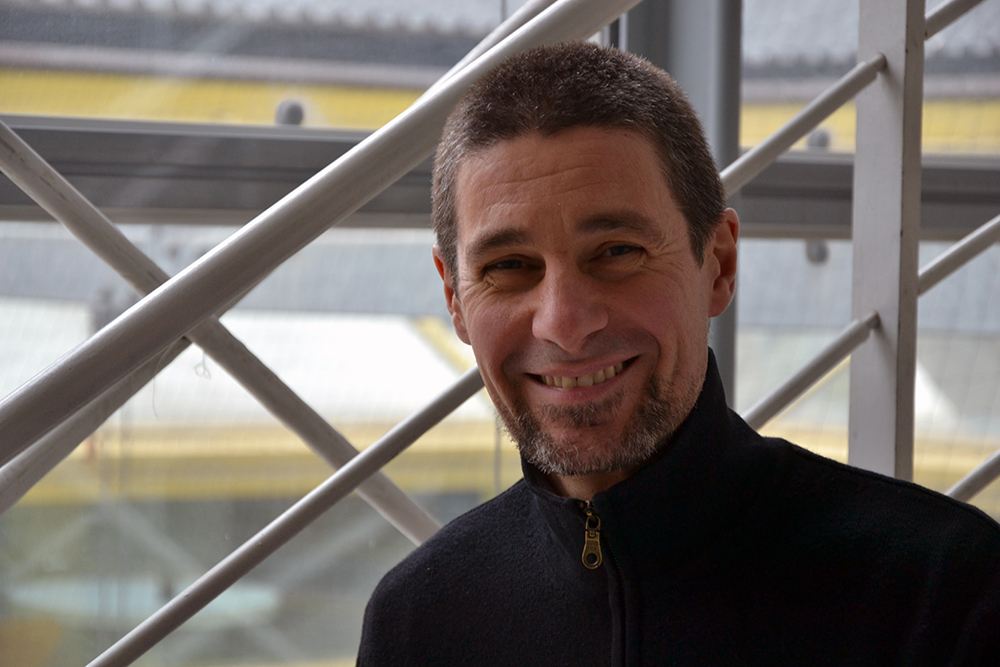
Nicolas Misdariis
Responsable d'équipe
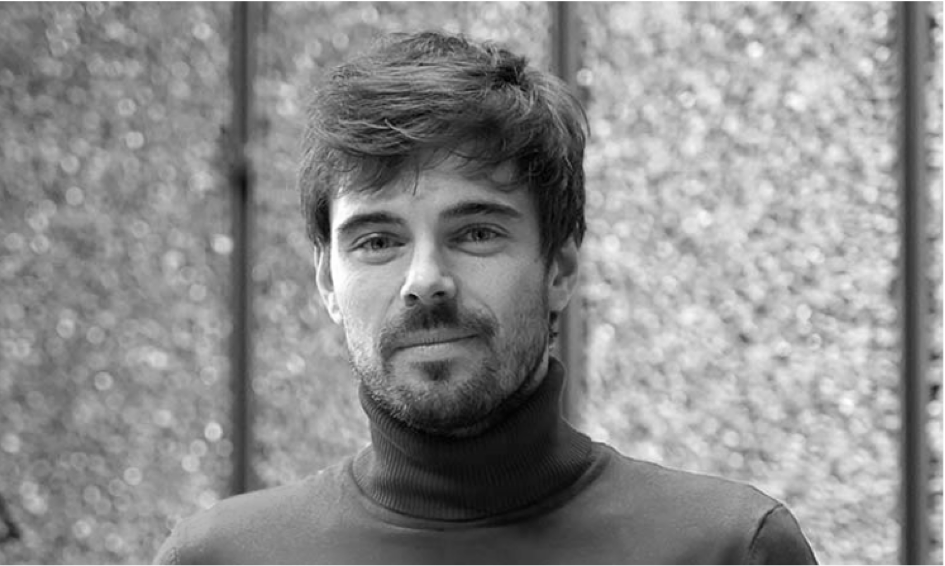
Emmanuel Ponsot
Chercheur
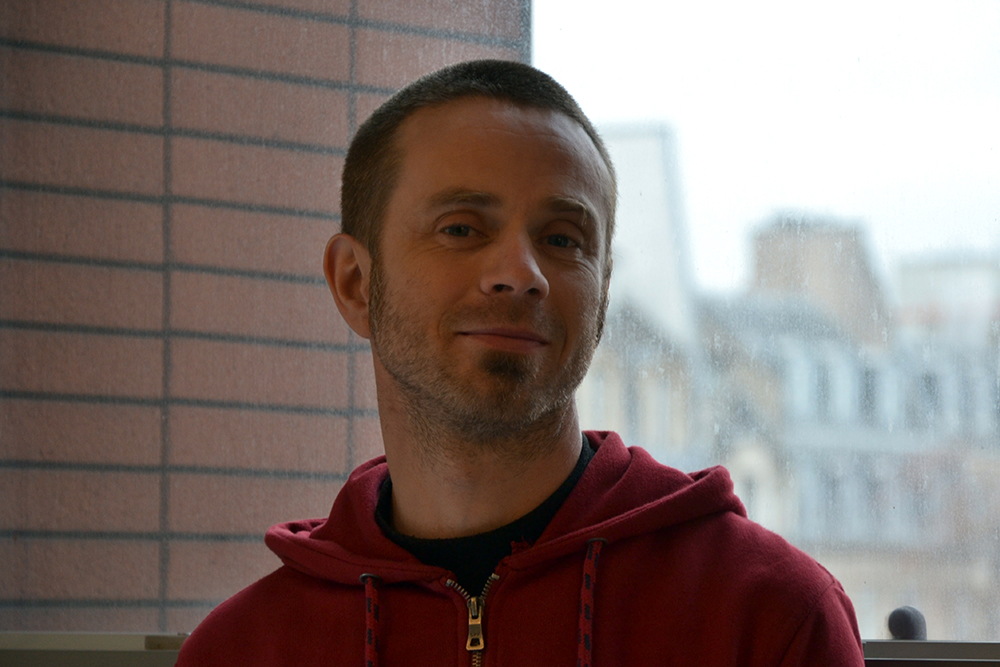
Olivier Houix
Chercheur
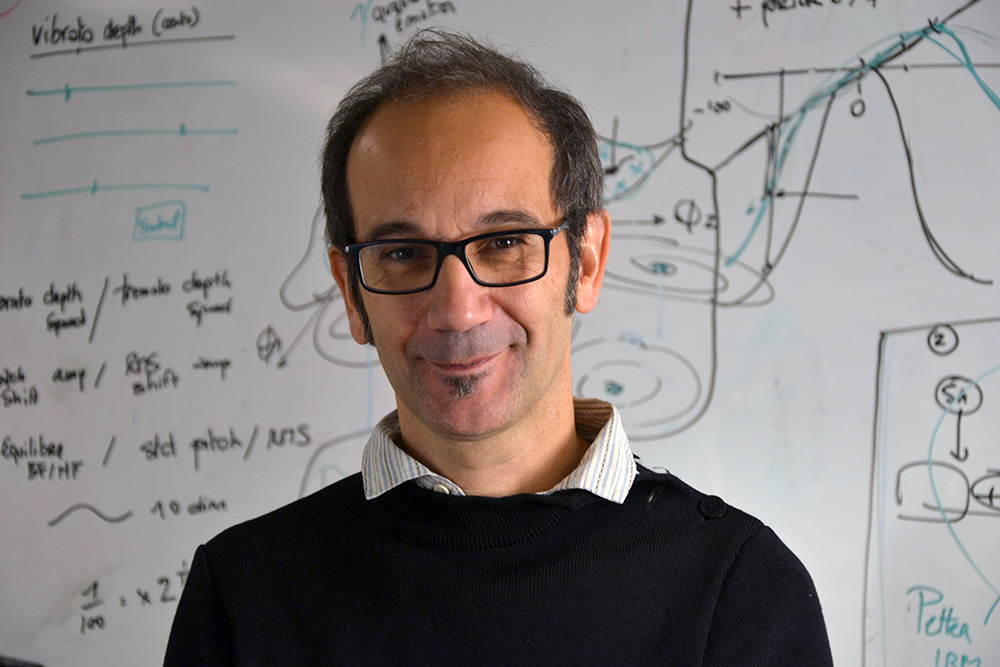
Patrick Susini
Chercheur
Mondher Ayari
Chercheur invité
Coralie Vincent
Ingénieure
Stefano Delle Monache
Chargé de recherche
Clara Boukhemia
Doctorante
Michele El-Khoury
Doctorante
Léo Mercier
Doctorant
Armand Schwarz
Doctorant
Axel Roques
Post-doctorant
Nella KRZYSZTOFIK
Stagiaire
Elsa LEBRUN
Stagiaire
Ivan BENABDILLAH
Stagiaire
- Perception, representation, and description of sounds
- Acoustics and semantics of timbre
- Perception/cognition of complex sounds
- Local/global perception
- Vocal and musical cognition and emotion
- Vocal imitation and identification
- Sound design, sonification
- Sound interaction design
- Multimodal sound design
- Sound design and health
- Sound design tools
Experimental psychology, data analysis (digital, verbal), acoustics, psychoacoustics, psychology and cognitive neuroscience, sound design, design methodology, computer music.
Related Projects
See all projectsOpenTuning
Individuation créative par le design d'interaction avec des systèmes musicaux génératifs
Dates : March 2026 to December 2029
PostGenAI@Paris
Projet ayant pour ambition de renforcer la stratégie française en intelligence artificielle en créant un pôle d’excellence international spécialisé dans l’IA post-générative
Dates : January 2025 to December 2029
ReNAR
Reducing Noise with Augmented Reality
Dates : October 2023 to March 2028
Related Software
SpeaK for Web
SpeaK for Web is a web application that allows to create an interface for organizing, presenting and sharing sound lexicons.
Free software
Sound design and processing
With the supervision of: