Sound Analysis-Synthesis
The Sound Analysis-Synthesis team conducts research and development in the analysis, transformation, and synthesis of sound signals.

© Philippe Barbosa
Sound analysis encompasses methods that enable the extraction or automatic structuring of various types of information from the signal, such as the fundamental frequency or spectral evolutions determining the pitch and timbre of the perceived sound.
Information that is not strictly musical is also taken into account and is relevant to fields such as industrial acoustics, sound design, and multimedia. One notable example is the automatic indexing of sound recordings. The methods employed rely on signal processing, statistical analysis, machine learning and deep learning techniques, pattern recognition, as well as knowledge of auditory perception.
Sound transformation and synthesis techniques are initially developed to meet the needs of musicians in creating new sounds and new musical forms. This work also finds numerous applications in fields such as cinema, video games, navigation assistance, and more broadly virtual reality. Typical examples include computer-based singing synthesis and the creation of transformed and augmented voices and instruments. Research in analysis and synthesis relies on the design, on the one hand, of signal models that make it possible to describe and reproduce sound production using signal-processing methods and, on the other hand, deep learning models aimed at capturing correlations between sounds and the targeted characteristics. These models are implemented as software for computers (macOS, Windows, and Linux), specifically designed for professional or non-professional users: musicians, sound engineers, acousticians, and enthusiasts.
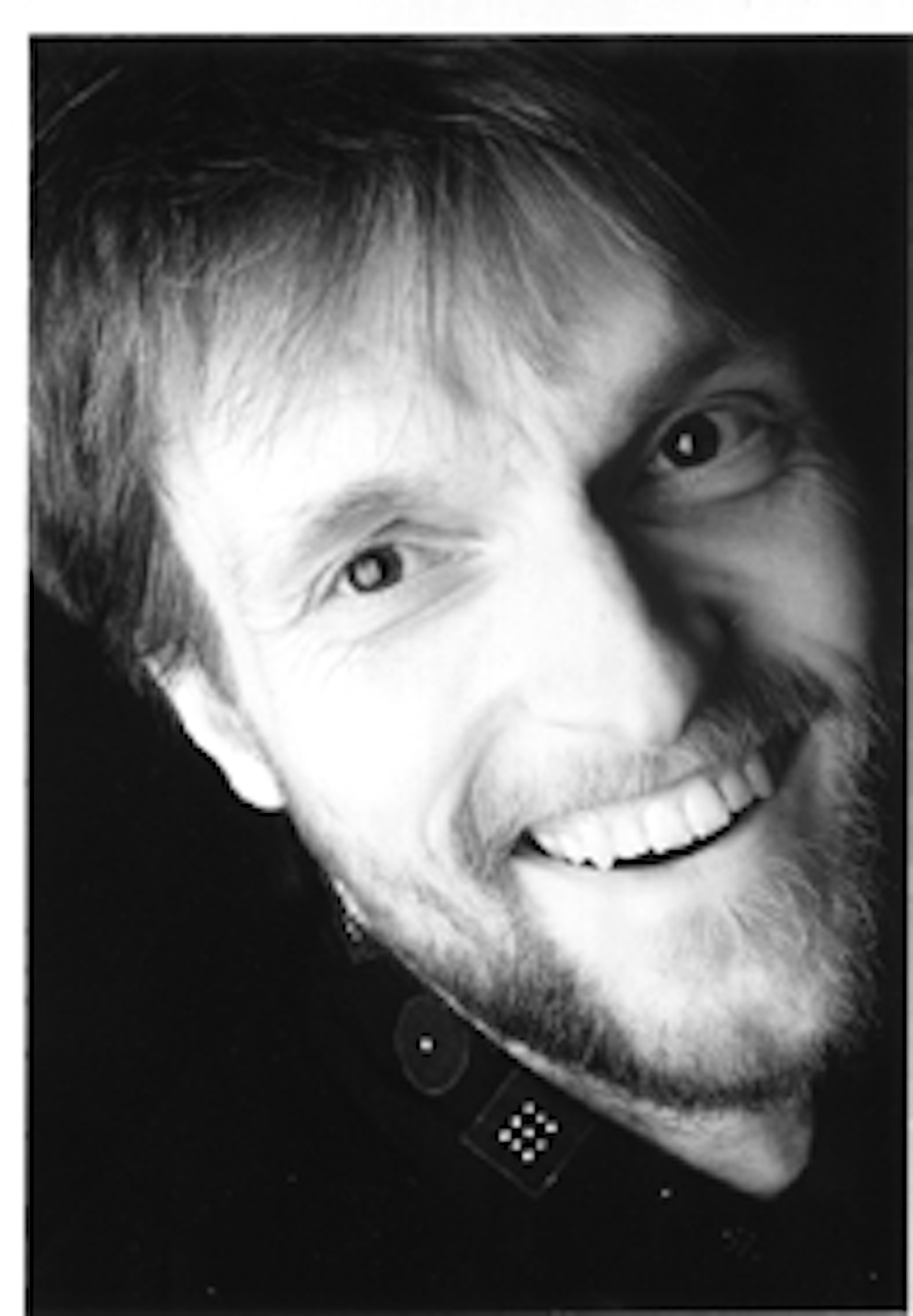
Axel Roebel
Responsable d'équipe
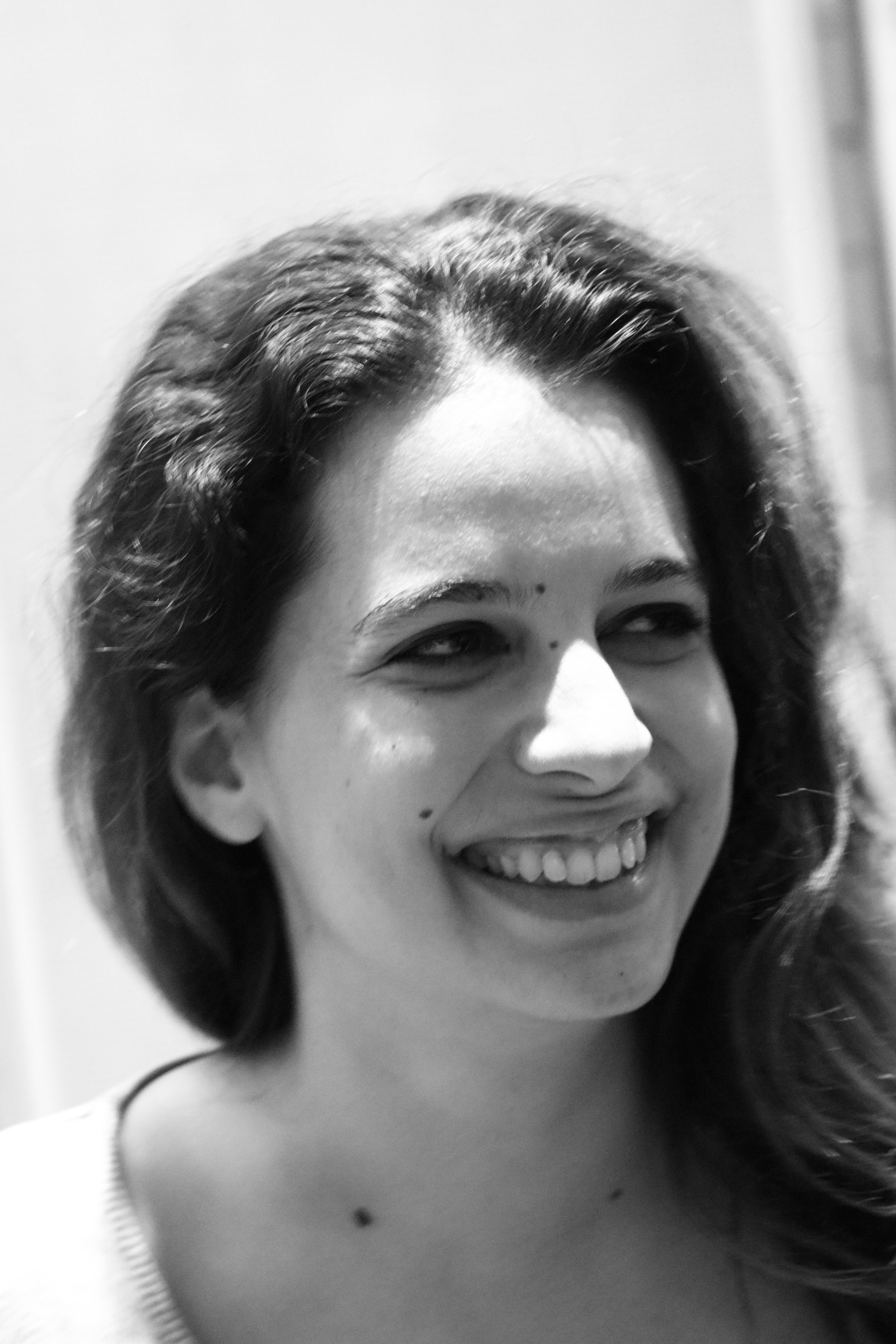
Alice Cohen-Hadria
Chercheuse
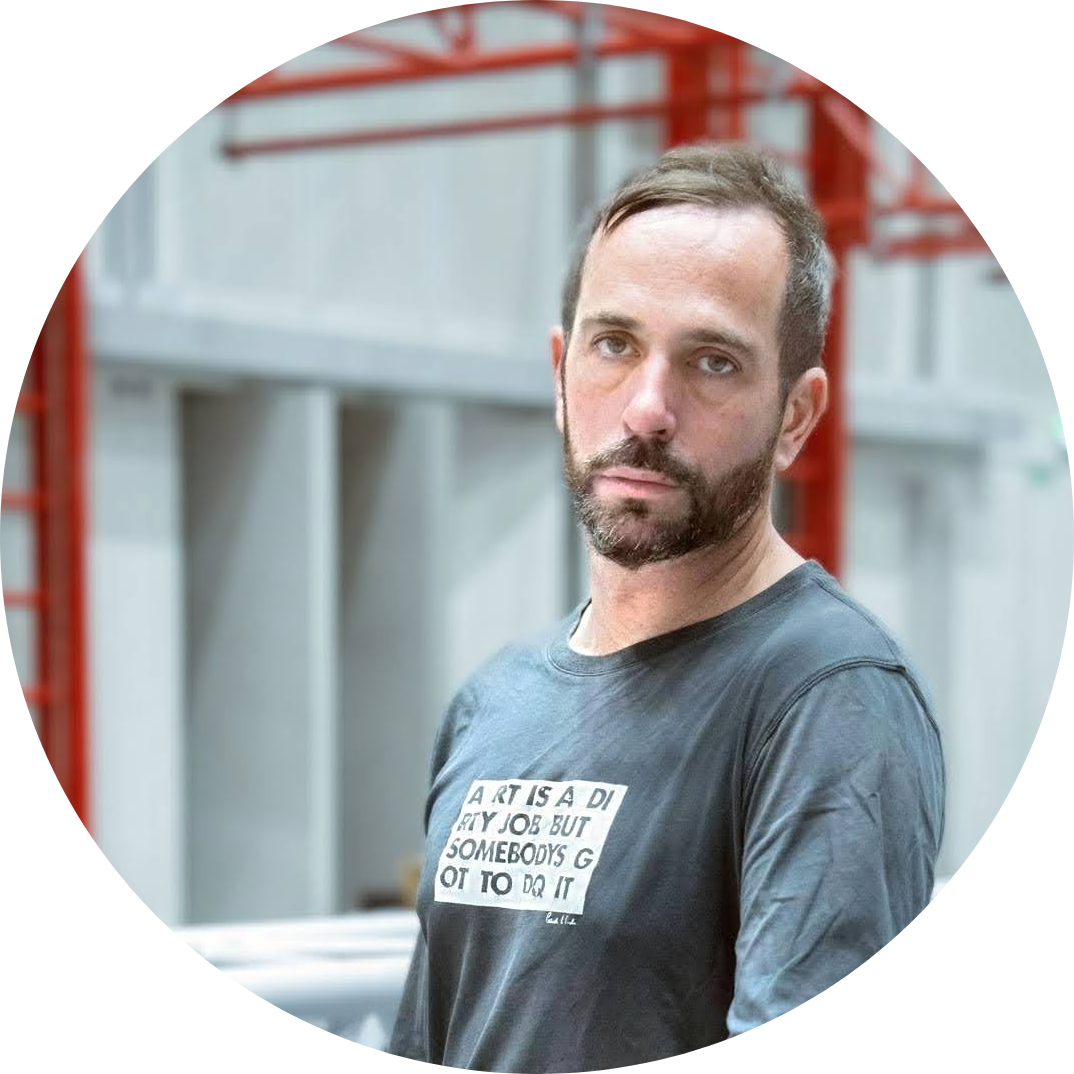
Nicolas Obin
Chercheur
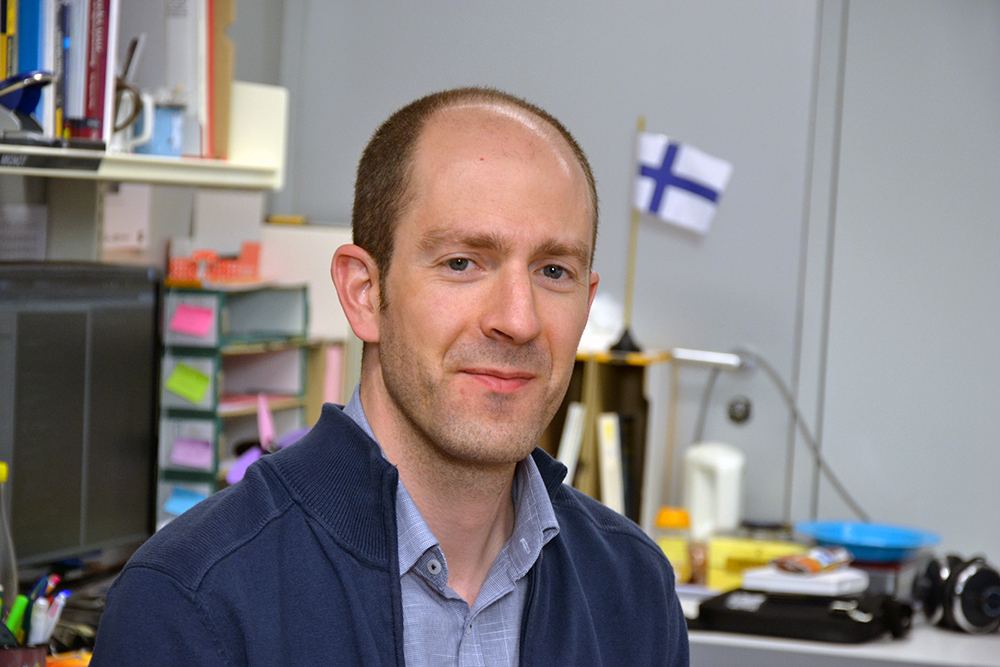
Remi Mignot
Chercheur
Frederic Cornu
Ingénieur
Guillaume Doras
Chargé de R&D
Mahdi Lakbar
Chargé(e) de recherche et de développement
Mathilde Abrassart
Doctorante
Simon Rouard
Doctorant
Diego Andrés Torres-Guarin
Doctorant
Téo Guichoux
Doctorant
Maximino Linares
Doctorant
Antoine Salmona
Post-doctorant
Emilio PICARD
Stagiaire
Jean-Henri NOTHIAS
Stagiaire
Zhengzheng FAN
Stagiaire
Antonin LONGEOT
Stagiaire
- Sound modeling and deep learning
- Sound characterization
- Analysis, characterization, and transformation of musical recordings
- Analysis, transformation, and synthesis of the voice; speaker conversion
- Sound scene analysis
Signal processing, deep learning techniques, statistics, information theory, numerical analysis, modeling.
Related Projects
See all projectsPostGenAI@Paris
Projet ayant pour ambition de renforcer la stratégie française en intelligence artificielle en créant un pôle d’excellence international spécialisé dans l’IA post-générative
Dates : January 2025 to December 2029
EVA
Explicite Voice Attributes
Dates : October 2023 to January 2028
DeTOX
Lutte contre les vidéos hyper-truquées de personnalités françaises
Dates : January 2023 to December 2025
Related Software
RAVE
RAVE is a deep learning tool for real-time audio generation and transformation via neural models, providing fast, high-quality synthesis in Max and Pd using the nn~ decoder.
Free software
Sound design and processing
Partiels
Partiels is an analysis application and a collection of plug-ins that allow you to explore the content and characteristics of sounds.
Free software
Sound design and processing
nn~
A max / Pd external for real-time AI audio processing.
Free software
Sound design and processing
With the supervision of: